
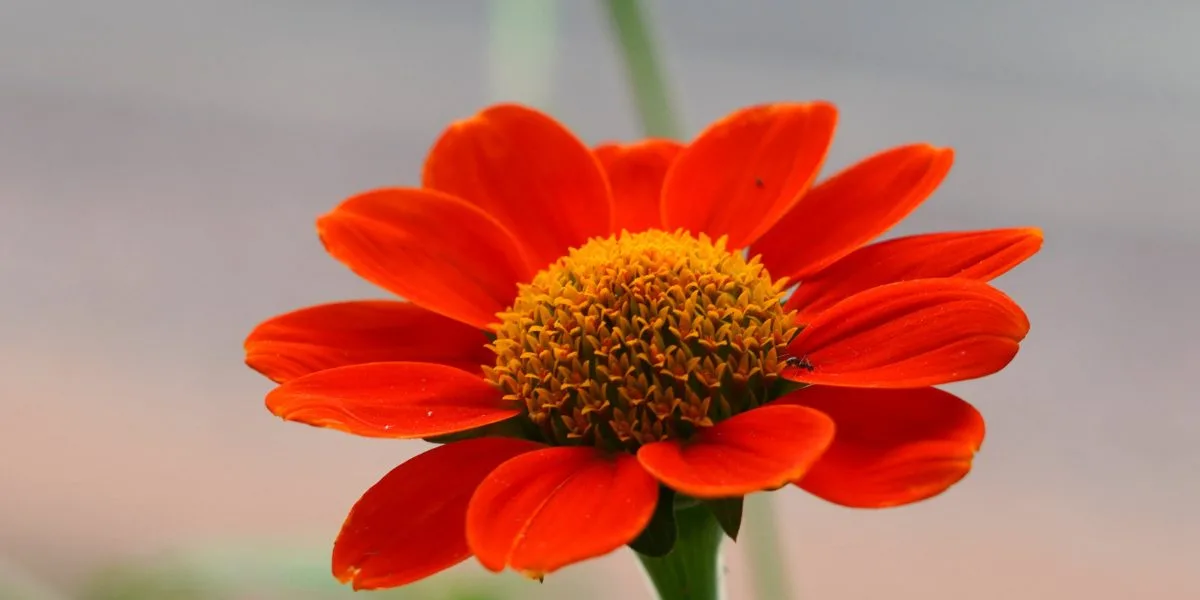
Mexican sunflower uses: A Comprehensive Guide
Have you ever heard that Mexican sunflower is used to treat different ailments and is are very beneficial herb? Let’s discuss together all the Mexican flower uses to further understand Mexican sunflower uses in a more comprehensive way.
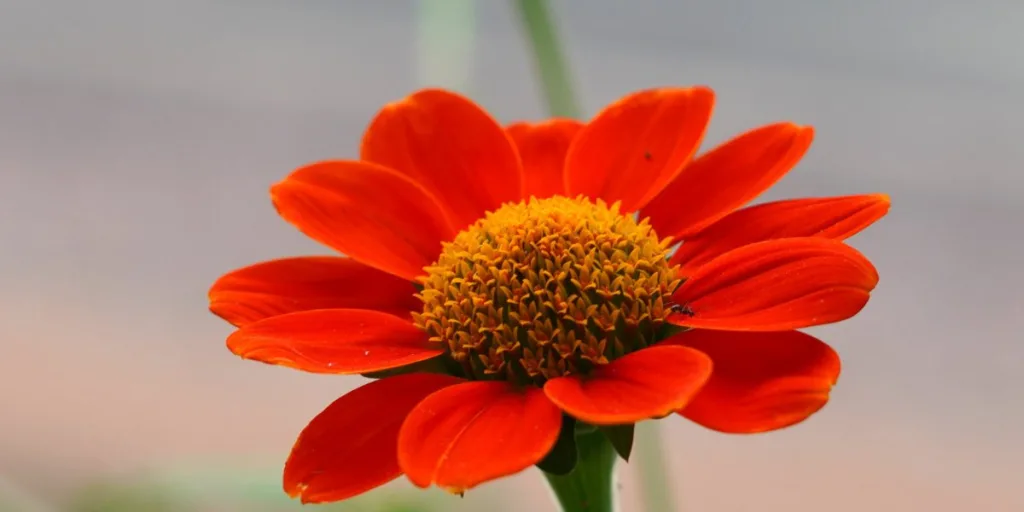
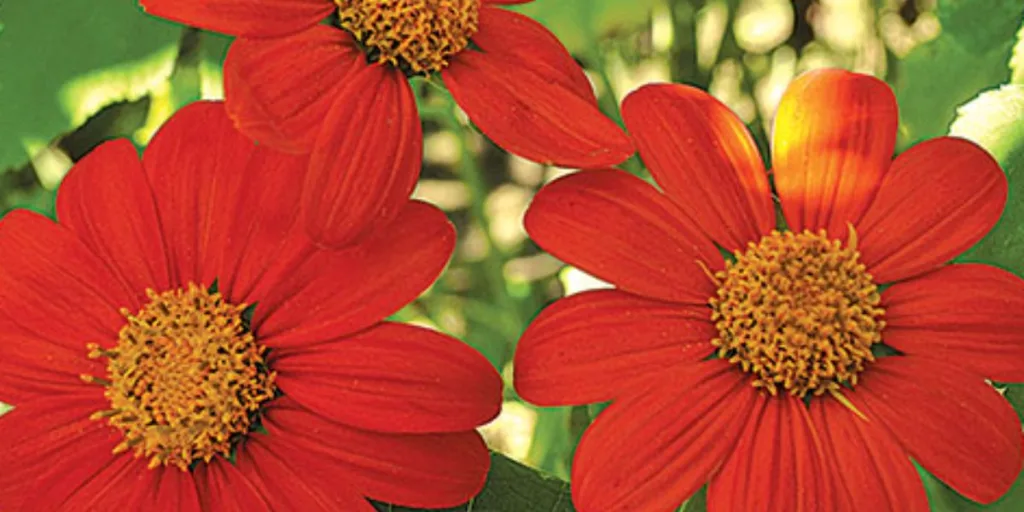
Mexican sunflower, also known as Tithonia, is found throughout Mexico and Central America. They can be easily found in humid and subhumid regions of Asia, America, and Africa. They are 3 meters in height and become woody as time passes. Its leaves are 12-23 cm large and have yellow-orange flowers with many seeds, and are its pathognomonic sign. They are seen around the roads and balconies, making a point of attention for the audience.
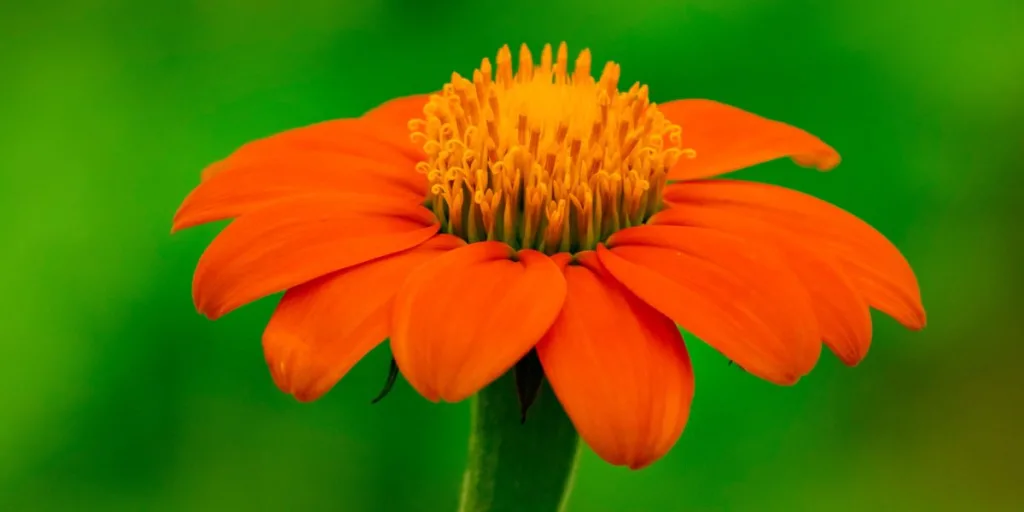
Growth of Tithonia
Tithonia has become known for its invasiveness, quickly proliferating through subterranean stems and seeds. It grows best in areas where it is already established. Always consider while planting that spacing is necessary for establishing optimal growth. Keep the space of 0.75 X 0.75 m between the seeds. They require no fertilizer because of their rapid growth. In the areas where there is extreme cold or dry seasons, they can grow annually because of the harsh environment.
Common names of Mexican sunflower
Some common names include Mexican sunflower, Tithonia, tree marigold, Japanese sunflower, Mexican tournesol, Bolivian sunflower, Nitobe chrysanthemum, shrub sunflower, and wild sunflower.
Its also considered as Orange Mexican flower.
Mexican sunflower uses
Following are the Mexican sunflower uses
Medicinal uses :
Mexican sunflower uses in medicine are as follows
- Sunflower oil is high in vitamin E, good for eye health, and is an antioxidant that protects the body’s cells.
- Sunflower seeds are a great source of cysteine, a non-essential amino acid with antioxidant and vision-enhancing qualities.
- Due to their high thiamine, lecithin, and vitamin E content, which helps to improve brain function, sunflower seeds and oils are used as a diet option for patients with Parkinson’s disease, multiple sclerosis, and Alzheimer’s disease.
- Beta-carotenes found in sunflowers can help prevent heat-related illnesses.
- It has rich potassium and magnesium content. That’s why it is recommended for hypertension patients.
Traditional medicinal uses
Mexican sunflower uses in Traditional medicine are as follows.
- Native Americans from the Cherokee tribe used Mexican sunflowers to treat kidney ailments.
- Native Dakota Americans use sunflowers to remedy lung issues and chest pain.
- Mardan tribes use sunflower oil to paint and lubricate their faces and bodies during ceremonies.
- Another American tribe, the Hopi, uses sunflowers to ward off spider bites.
- Navajo Indians use sunflowers to boost their appetite.
- The Paiute tribe treats rheumatism with a decoction of sunflower root.
Nutrients in Tithonia Diversifolia
The leaves are said to have therapeutic uses but are not edible.
Taste of Tithonia Diversifolia
It has a bitter taste, so don’t try it alone.
Side Effects, Risk Factors of, and Cautions for Tithonia Diversifolia
It can cause liver problems if used for a prolonged period or used in high doses.
Tithonia diversifolia: Physical description
- Branched plants like Tithonia diversifolia can reach heights of 4-6 feet and widths of 3–4 feet.
- This plant is reported to have large, gaudy leaves that measure 5–15 cm in width and 10–30 cm in length.
- It’s available in orange, yellow, and red colors.
- All through the year, it could flourish.
Types of Mexican Sunflowers
- Torch Mexican Sunflower (Monarch butterflies are known to be drawn to it because of its orange centres surrounded by scarlet-orange petals during their migration).
- Yellow Torch Mexican sunflower (The first Mexican sunflower with yellow flowers, Yellow Torch is an appreciated addition to cutting gardens. It also attracts hummingbirds, bees, etc.)
- Goldfinger Mexican sunflower (Goldfinger is a three-foot-tall plant with orange blossoms with brilliant yellow centres)
How and When to Plant Mexican Sunflower
- If you plan to plant Mexican flowers, you should choose the spring season after the last frost for optimal results.
- These seeds require full sunlight for their germination, so you can sow them in the soil directly.
- It usually takes 7 to 20 days for the germination period.
- They require more space to grow, so better plant them with a distance of one to two feet apart.
- You can use them as a decorative element outside the garden as the weather warms. pedestrians.
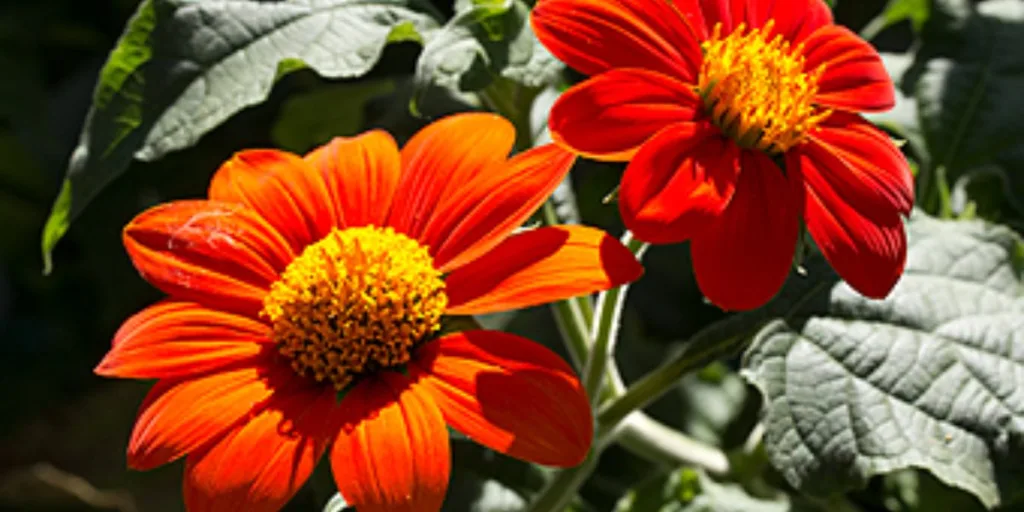
Tithonia diversifolia: How to grow?
Mexican sunflowers are perfect for a new gardener looking for something visually striking to fill a large space in the flower border. After they grow, Mexican sunflowers don’t require much care and are not fussy about the soil.
Mexican sunflowers are a great addition to a butterfly garden because they have shallow flowers and abundant nectar reserves ideal for pollinator needs. The tall flowers of the Mexican sunflower stand out from other plants that attract butterflies because they bring the butterflies up to eye level, making them easier to observe. A well-established cluster of Mexican sunflowers benefits the garden because the pollinators they draw will aid in the growth of more vegetables.
A bundle of Mexican sunflowers will provide numerous vases full of cut flowers all summer. Plant them with companions like cosmos and zinnias, which will also serve as cut and return flowers for the cutting garden and grow well in the same average soil and sunny spot.
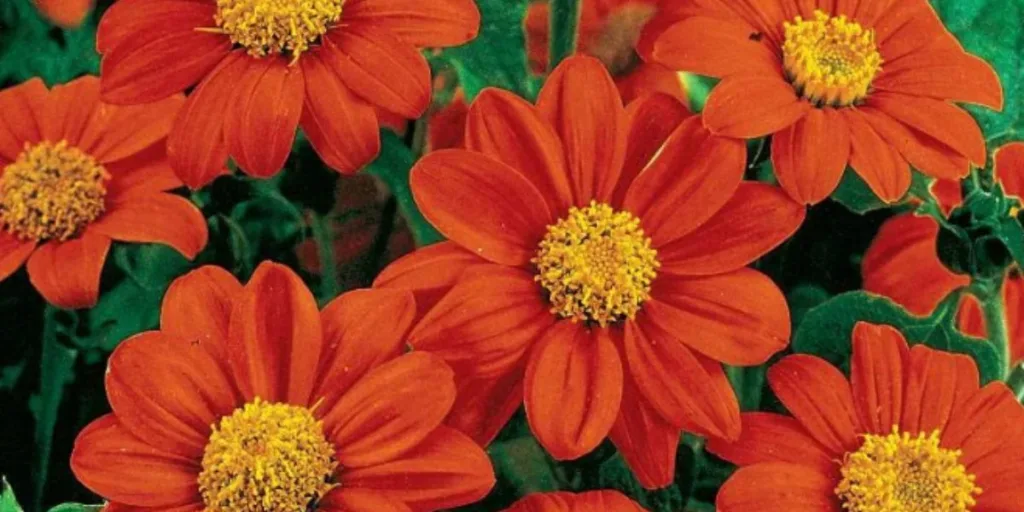
Growing Tips of Mexican Sunflower
For healthy Mexican sunflowers to grow, full sun is essential. Shade-loving plants may not blossom, droop, or become infected with fungi.
Mexican sunflowers prefer low-nutrient, lean soils, so save your soil amendments for more demanding flowers like dahlias and roses. Proper drainage is essential to avoid issues like root rot. Rocky or sandy soils are closer to the native soils of Mexico, where flora flourish in their natural state.
The low-maintenance appeal of Mexican sunflowers is attributed to their ability to withstand drought throughout their life cycle. Mexican sunflowers do not grow properly in damp soil, but if you live where rainfall is usual, then grow them in well-drained soil for better results. Mexican sunflower adapts to warm weather, even if it’s too harsh, and its growth stops in the cool weather.
Mexican sunflowers grow best at night when temperatures stay in the 60s. The ideal humidity level for robust plants is medium. In humid areas, give plants more room to grow to avoid powdery mildew.
Mexican sunflowers have an additional benefit of not requiring fertiliser for their optimal growth. They are very simple to grow and maintain. They can easily germinate from their seedlings. You can use its stems for germination. Cut the leaves from the stem and cut it into 2 to 3 pieces, and then place it on a moist surface and wait for its roots to grow.
Its leaves and the stem are a great source of its entire nutrients. Routine pruning is appreciated for enhancing leaf production.
Tithonia diversifolia: Maintenance tips
- Although tithonia is generally a pest- and disease-resistant plant, it should still be carefully examined.
- These plants grow well without extra fertilizer but may need a small amount to flourish in the spring.
- When summer temperatures are high and precipitation is scarce, these plants need regular irrigation.
- Staking is necessary to support tithonia as it grows; windy areas especially call for this.
- Fertilization may be required once every two to three months, especially during the growing season.
- For better growth, trim the diseased and withered leaves once a month.
- Excellent drainage is required if planting in pots.
Tithonia diversifolia: Is this plant toxic?
Excellent drainage is required if planting in pots.
Can I plant Tithonia in a container?
Dwarf Mexican sunflower varieties can be grown by gardeners with small spaces on a patio, terrace, or balcony. Plant the Mexican sunflower in the middle of the pot, then surround it with trailing plants like full sun and dry conditions, like Portulaca or Million Bells.
Is a Mexican sunflower the same as a sunflower?
Mexican and common sunflowers ( Helianthus annuus ) are tall, sun-loving annual flowers that tolerate dry, poor soils. Common sunflowers typically have larger flowers, sometimes more than 12 inches in diameter, and many varieties have edible seeds. Grow the two complementary sunflower plants at the back of the border for a visual and pollinator feast.
FAQS
What can sunflowers be used for?
Sunflowers fall under the oilseed category. Sunflowers are processed to make meals, confections, and cooking oil. Different types of confections and oils are utilized. Meal is mostly used as an ingredient in animal feed rations and is a byproduct of oil extraction.
What are the medicinal uses of Tithonia?
An infusion that can be used to treat malaria and conditions like constipation, indigestion, stomachaches, and sore throats. Anti-inflammatory, analgesic, antiviral, antimalarial, antidiabetic, antidiarrheal, antimicrobial, antispasmodic, vasorelaxant, and cancer-chemopreventive properties are among the other documented actions.
Can you eat Mexican sunflower?
It is a large, showy plant for the back of the border that can withstand neglect, drought, and infertile soil. It has multiple branches. Beautiful when combined with purple grass, and breathtaking when placed next to purple flowers. Sunflowers have a bittersweet flavor and can be eaten. The petals give salads and desserts a lovely pop of color.
What is the use of Mexican flowers?
Ruminants and rabbits can consume Mexican sunflowers’ leaves, tender branches, and flowers, making it a popular feed source.
What is another name for Mexican sunflowers?
Tithonia diversifolia is a species of flowering plant belonging to the Asteraceae family. It is also referred to as the Mexican tournesol, Japanese sunflower, Mexican sunflower, tree marigold, or Nitobe chrysanthemum. Originally from Mexico and Central America, this introduced species now almost entirely inhabits the world’s tropical regions.






3 Comments