Dahlia Pinnata Mexico: 8 Secrets for Healthy Growth in Any Mexican Climate
Almost from their discovery in ancient New Spain, dahlias (Dahlia pinnata), an entire genus of plants belonging to the Asteraceae family, have been prized for their beauty. As evidenced by the creation of the Mexican Dahlia Association over ten years ago, the dahlia is now the flower that represents Mexico and is closely associated with its history, customs, and culture.

Dahlia Pinnata Mexico characteristics
Native to Mexico, dahlias are bulbous plants that thrive well indoors and out. The smallest species are around 30 centimeters tall, but they can grow up to one meter.
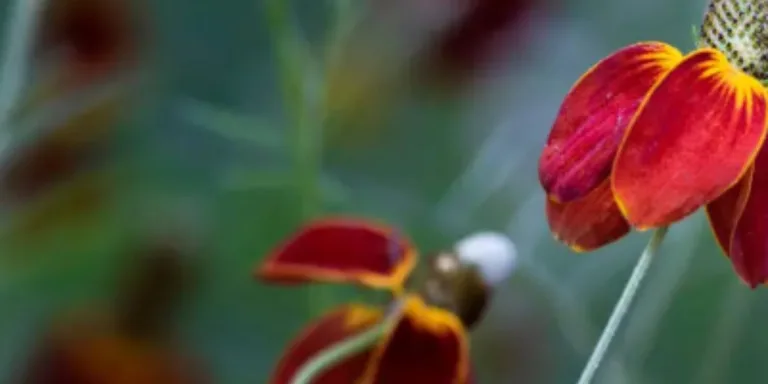
Unquestionably, though, these plants’ most remarkable feature is usually their blossoms, which they produce as summer approaches and continue to do so until the final months of autumn. Dahlia blossoms are enormous, vibrant, and incredibly showy. They come in a wide range of colors, most commonly warm, but they can also be white or violet.
Dahlia Pinata Blooms
The dahlia may bloom in the fall, when the weather is cooler and more comfortable for it, if the climate is extremely heated.
Dahlia Pinata light and position
For these plants to thrive, they need a bright environment, especially if we wish to appreciate their lovely blooms. If the dahlia is indoors, place it next to a window or other light source, or in a location in the garden that gets lots of light.
These flowers should only be placed in semi-shaded regions or, at the very least, places that are shielded from the most dangerous and severe hours of effect, which are typically midday, if the sun in your area is really strong.

Additionally, wind can cause a lot of harm to your dahlias, so you should locate a location for them that is as protected from the elements as possible. It may be wise to stake them if you are unable to fully shield them from the wind.
Dahlia Pinata climate
Dahlia flowers can tolerate relatively low temperatures and minor frosts of up to -5ºC, despite the fact that they thrive in temperate settings and can tolerate heat well as long as they are not exposed to direct sunshine for extended periods of time. However, frost is common where you live, and if you plant them outdoors, it’s a good idea to give them some assistance to get through the winter.
If the temperature is extremely low, remove the Dahlia pinnata bulbs or cover the base and bulbs with a heavy layer of mulch. In order to replant them after the frosts pass, you may always store them somewhere dry and sheltered.
Dahlia Pinata soil and fertilizer
The Dahlia pinnata Mexico flower enjoys growing in soil that has a significant amount of organic matter added to it. As always, we advise utilizing ecological and organic fertilizers like compost, bokashi, and worm humus. They are all extremely rich fertilizers that will enable you to avoid using artificial chemicals on your plants.

To make sure the soil or substrate is loose and drains as well as possible, remove it from the pot before planting. Add a generous amount of one of the above-mentioned fertilizers to enrich it. Every winter, replenish the fertilizer, and during the warm months, apply a tiny quantity once a month. Once the Dahlia pinnata Mexico flower has been planted, water it and make sure the soil is solid over the bulb.
Watering dahlia Pinata
Although the Dahlia pinnata Mexico flower can withstand a lot of heat, it will benefit immensely from frequent and generous watering throughout the hottest days and seasons. To prevent issues with excessive humidity, water the soil often, being careful not to dampen the foliage or flowers.
During hot seasons, water dahlias often, but keep in mind that the bulbs cannot withstand excessive humidity or waterlogging; therefore, it is preferable to water more frequently but in lesser amounts to prevent flooding.
Dahlia pinnata illnesses and pests
These plants are not very vulnerable to illnesses or pests. Slugs and snails might, at most, come to eat them, for which you have a variety of natural and homemade solutions on hand, including leaving a plate or bowl of beer. This article explains how to naturally eradicate slugs and snails from plants.
Dahlia pinnata care
Since they were first discovered in ancient New Spain, dahlias (Dahlia pinnata), a particular genus of plants belonging to the Asteraceae family, have been prized for their beauty. As evidenced by the Mexican Dahlia Association’s constitution more than ten years ago, the dahlia is now the flower symbol of Mexico and is closely associated with its history, customs, and culture.
Dahlia Pinnata Uses
- Dyes of different colors, ranging from yellow to orange, are made from them.
- It has been used in skin polishing and conditioners.
- It has edible uses and can be used and cooked as a vegetable. When mixed with water, they are sprinkled on the ice cream to enhance the taste.
- It has some medicinal uses and can be used to treat tuberculosis, flatulence, and colic problems.
Dahlia Pinnata
Faqs
What is the use of Dahlia pinnata?
It has a sweet extract called “dacopa” used as a flavoring agent or a beverage. It is used as a vegetable and can be sprinkled on ice cream when mixed with water.
Can I eat dahlia leaves?
Yes, you can eat them either boiled or fried.
Are dahlias safe for humans?
Yes, dahlias are safe for humans, are nonpoisonous, and are rich in carbohydrates.
What is the common disease on dahlias?
Powdery mildew is the most common disease on dahlias and causes white powdery spots on their stems and leaves.
What are the deficiencies of dahlias?
They can cause discoloration and distorted growth patterns when there are dahlia deficiencies present.