Are Mexican sunflowers invasive? Discover the Hidden Threat to Native Ecosystems
Are you considering planting Mexican sunflowers in your garden? Before doing it, consider whether they are invasive or not. And if so, how do they adversely affect the ecosystem and other plants in your garden?
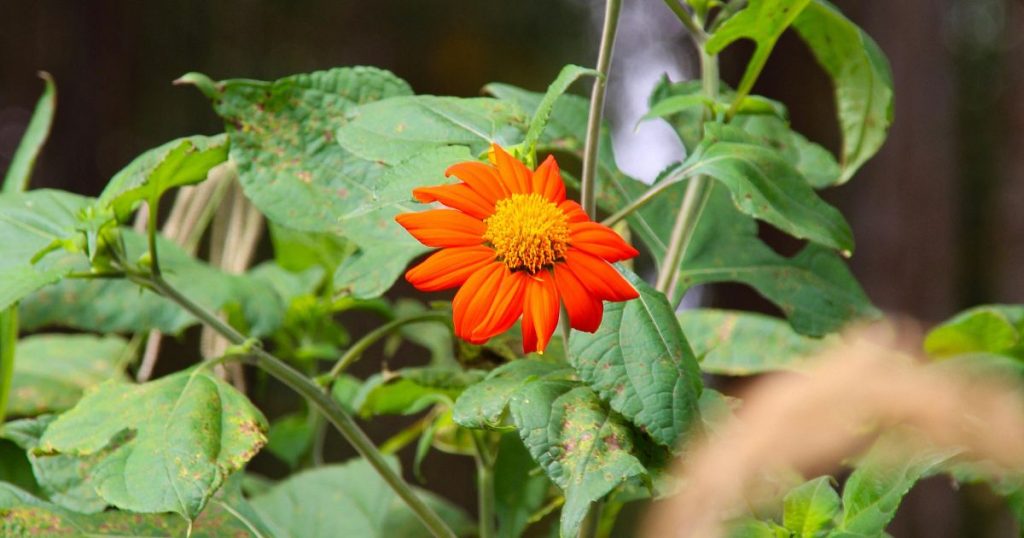
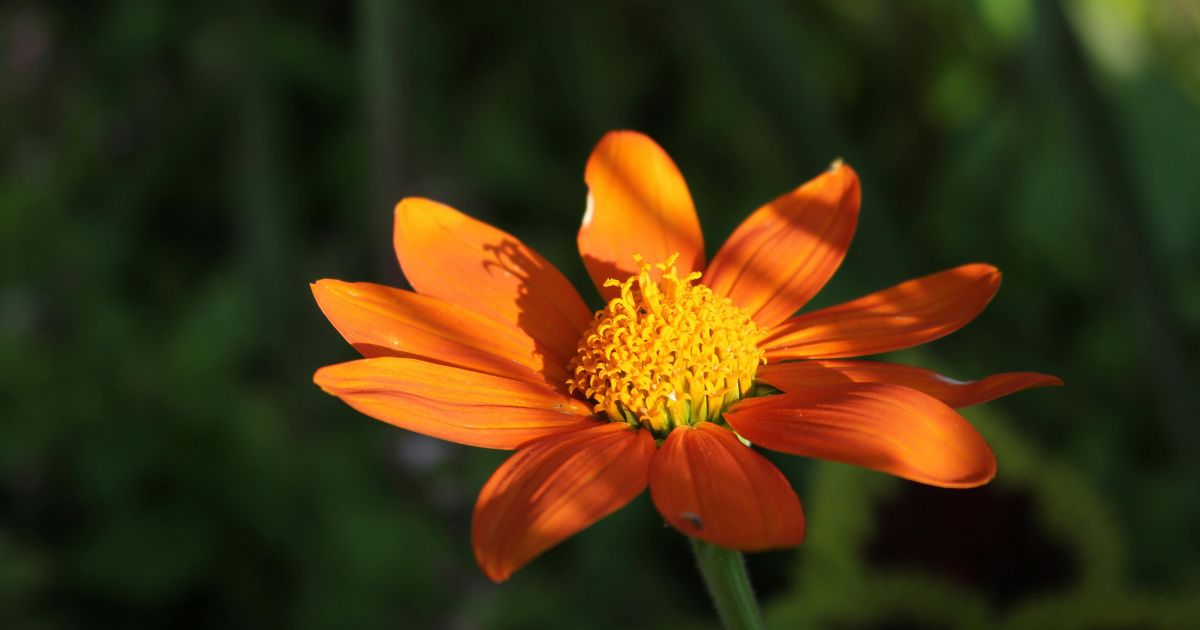
The Mexican Sunflower, of the species Tithonia diversifolia, is a plant native to Mexico, Central America, and the Caribbean, characterized by a semi-herbaceous texture and shrubby appearance. It stands out worldwide for its ornamental flowering, medicinal applications, and use as fodder and green manure.
This plant grows upright, vigorous, and branched, reaching heights that vary from 1.5 to 4 meters. Its branches are vigorous and grow rapidly; however, they are somewhat brittle, not tolerating much handling or strong winds.
Are Mexican sunflowers invasive?
This plant is easily propagated from seeds, which usually germinate naturally and form seedlings near the parent plant. This characteristic facilitates its multiplication and makes the Mexican sunflower an excellent choice for those wishing to grow a beautiful ornamental plant. For the same reason, this species can become invasive in some situations.
However, keep in mind that the germination rate is not high immediately after harvesting, reaching its peak just four months after harvest, which is the ideal time to sow them. Another straightforward way to multiply the Mexican sunflower is by cuttings.
Take cuttings from the middle third of the green branches, about 30 cm long, and plant them in light, moist substrate. The plant roots quickly, and sprouts can be seen within a few days.
Mexican sunflower can be invasive outside of Mexico and Central America. It’s invasive in South Africa, the Pacific Islands, Asia, and South America. It is invasive because it thrives in harsh environments and unfavorable conditions, such as high temperatures, poor soils, and drought. It has a rapid growth quality and spreads easily.
They may produce many seeds, which is why they are invasive and in large quantities. It affects other plants by eliminating harmful chemicals. It disturbs the natural ecosystem when it becomes invasive.
How does it disturb the natural ecosystem?
- It reduces biodiversity because it grows in large numbers and thickens on the soil, thus degrading other local flora by competing for light, water, and nutrients.
- It can add a large amount of organic matter and alter soil composition, mainly phosphorus and nitrogen, thus affecting the soil condition and becoming unfavorable for other native plants.
- It can indirectly affect agriculture by invading farms and impacting seed germination.
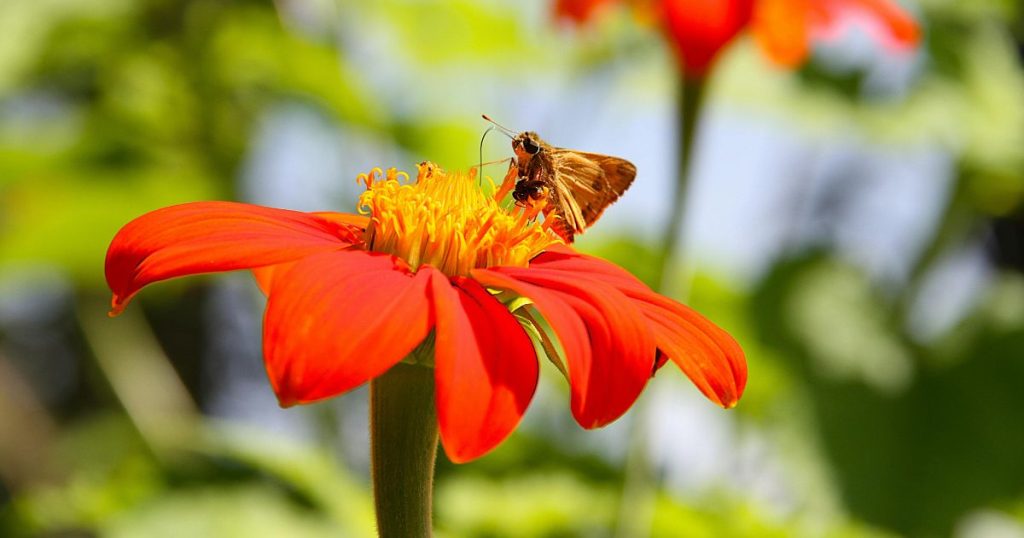
- It can attract all pollinators, as its pollinator-loving scent mimics that of other flowers, ensuring the right pollinator is attracted for their production and affecting the overall growth of different plants.