What is the Mexican Flower and Why is it Important?
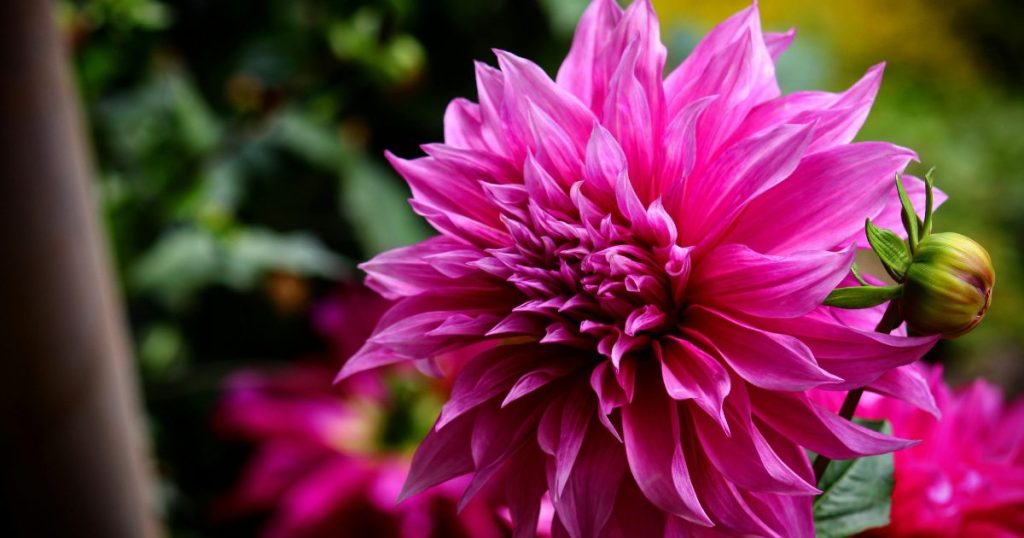
The question roaming everywhere that What is the Mexican flower ? The National mexican flower is the dahlia, a colorful and versatile flower. Its importance extends beyond aesthetics because it has a complex connection with the nation’s history and culture.
What is the Mexican Flower ?
The dahlia has a rich history in Mexico, dating back to pre-Hispanic times when it adorned temples and homes. On May 13, 1963, it was officially declared Mexico’s national flower, a decision supported by various organizations, including the National Union of Floriculturists and Nurserymen, as well as the Excelsior newspaper. This declaration was made by former President Adolfo López Mateos, who recognized the dahlia as a symbol of Mexican floriculture.
What is the Mexican Flower
The dahlia’s significance is rooted in a longstanding tradition. The Mexica people utilized this flower ornamentally, using it to decorate their homes and temples during rituals. The cultivation and selective breeding of dahlias began with the ancient inhabitants of what is now Mexico, who were the first to domesticate this beautiful plant.
Why is Dahlia the National Mexican flower?
The dahlia was chosen as the national flower of Mexico due to its significant cultural and historical roots. Here are some reasons for its designation:
- Cultural Significance: The dahlia has been integral to Mexican traditions since pre-Hispanic times, where the Mexica people used it to decorate homes and temples during rituals, underscoring its importance in their culture.
- Floriculture Symbol: Declared the national flower on May 13, 1963, the dahlia represents the country’s rich floriculture, showcasing the diversity and beauty of Mexican flora.
- Support for Local Agriculture: The designation was backed by various organizations aimed at promoting local flower cultivation, highlighting the dahlia’s role in Mexico’s agricultural landscape.
- International Appeal: With its vibrant colors and unique shapes, the dahlia has gained global recognition, helping to highlight Mexico’s floral heritage worldwide.
After the National Mexican flower was introduced to Spain in 1784, it quickly gained popularity across Europe. By 1881, the world’s first dahlia society was established in the United Kingdom. In various countries in Europe and the United States, dahlias are primarily valued for their ornamental beauty.
In contrast, Mexico embraces a wider range of uses for the dahlia, rooted in its ancient traditions. For instance, the plant is recognized for its medicinal properties. According to the Ministry of Agriculture and Rural Development (SADER), the root is used to alleviate chronic coughs, while the leaves and sap are effective against cold sores. Additionally, boiled bulbs of the dahlia serve as a diuretic.
Everything about Dahlia, National Mexican flower
Mexican Flower Dahlia: Everything You Should Need to Know About It
History and Discovery of Dahlia
Dahlias are native to Mexico, where they were cultivated by the Mexica (Aztecs) as early as the 14th century. These flowers were not only appreciated for their striking beauty but also held cultural significance. The Mexica used them in rituals and decorations, and their tubers served as a food source, showcasing the plant’s practical and ornamental value.
The journey of the dahlia to Europe began in 1784 when Spanish botanists introduced the flower after encountering it in Mexico. This introduction marked the start of the dahlia’s rise in popularity across the continent, as European horticulturists became fascinated with its unique characteristics.

History and Discovery of Dahlia
Dahlias are thought to be the national flower of Mexico because of the wide range of colours and shapes that horticulturists create through many experiments in hybridisation. Because of their high demand among Mexicans, Dahlias are seen everywhere on different occasions and events. They are also very famous flowers in Britain and France.
The love for dahlias among people paved the path to making society in the United Kingdom in 1881 play a crucial role in promoting and managing flowers, supervising their cultivations and being aware or educating people about their advantages among people.
Today, the dahlia is celebrated not only for its beauty but also as a symbol of Mexican culture. In Mexico, it is valued for its various uses, including medicinal applications, reflecting the plant’s deep-rooted connection to the country’s heritage.
In summary, the dahlia’s journey from its origins in Mexico to its esteemed status worldwide illustrates its rich history and lasting appeal.
Dahlia’s Symbolism in Mexican Culture
The dahlia is deeply symbolic in Mexican culture, representing a rich heritage and national pride. Historically valued by the Mexica (Aztecs), it was used in rituals, highlighting its significance in spiritual and daily life.
As it is National Mexican flower, designated in 1963, the dahlia reflects the country’s diverse flora and cultural identity. It also holds medicinal value, with its roots and leaves employed in traditional remedies, showcasing a connection between nature and health.

Dahlia’s Symbolism in Mexican Culture
Additionally, the dahlia symbolizes life and resilience, with its vibrant blooms serving as reminders of beauty in complexity. Its influence extends to art and literature, where it inspires creativity and admiration. Overall, the dahlia is a cherished element of Mexico’s cultural landscape. There’s also a tradition of giving white dahlias in wedding.
Uses of Dahlia
Ornamental Use: Dahlias are popular for their striking blooms, enhancing gardens, landscapes, and floral displays with a variety of colors and shapes.
Cut Flowers: Frequently used in bouquets and arrangements, dahlias are favored for special occasions due to their long stems and vibrant petals.
Cultural Significance: In Mexico, dahlias hold historical importance and are featured in festivals and celebrations, symbolizing beauty and life.
Medicinal Uses: Traditionally, dahlia roots have been used in folk medicine for ailments like chronic coughs, while leaves and sap are believed to aid in healing cold sores.
Edible Tubers: The tubers of dahlias are edible and can be roasted, sautéed, or added to salads, offering a slightly sweet flavor and nutritional benefits.
Natural Dye: The colorful petals of dahlias can be utilized to create natural dyes for textiles and crafts, adding a unique element to artistic projects.
Characteristics of the Dahlia Plant:
some key characteristics of Dahlia Plant:
Dahlia flowers come in different shapes and size ranging from small blooms to larger ones.
Dahlia Flowers come in range of different shapes such as cactus , Pompom and other decorative types.
Dahlia flowers have typically dark green leaves adding glam to the overall look of the Plant.Its leaves are either lobbed or serrated.
Dahlia flowers come in wide range of colors from vibrant red to the white tones that attracts audience attention in one go.They also come in multi-colored or bi-colored petals.
They usually reaches upto 1 to 4 feet depending upon its original type and have brown sturdy stems that support overall flower.
They require full sunlight and well-drained soit for its optimal growth and requre regular watering
Growth Conditions: Dahlias thrive in full sun and well-drained soil. They require regular watering and benefit from nutrient-rich soil to promote healthy growth.
Root System: Dahlias grow from tubers, which are bulb-like structures that store energy. These tubers can be harvested and divided for propagation, allowing for the growth of new plants.
Blooming Period: Dahlias typically bloom from late summer to the first frost, providing a long-lasting display of color in gardens.
Zone Adaptability: While dahlias are not frost-tolerant, they can thrive in various climates, particularly in USDA hardiness zones 3 to 10, depending on the variety.
Dahlia Species
Here’s a detailed look at three notable dahlia species: Dahlia imperialis (Tree Dahlia), Dahlia coccinea, and Dahlia pinnata.

Dahlia imperialis (Tree Dahlia)
The dahlia imperialis(Tree Dahlia) species that grow annually and reach upto 10feet(3 meters).It has long slender stems and large leaves with lush green color.
Flowers : These flowers always grow in clusters in colour ranging from pale pink,lavender or white in late summer to early fall season.This will add a colourful touch to any garden.
Growth conditions they can be cultivated in cooler regions with extra proper care but are very suitable for wam climates.They need full light and favourable soil for proper growth.
uses:The tree dahlia is used for ornamental issues along with its broad foliage and growth become a choice for covering a large landscape.
Dahlia coccinea
Dahlia coccinea is smaller plant that grows annually and grows between 2 to 4 feet tall.It has narrow leaves that make its overall appearance.
Flowers: This specie has flowers ranging from scarlet to orange flowers that bloom in late summer.The flowers are in single or semi doubled shape and have the ability to attract pollinators.
Growth Conditions: It prefers sunny loactions and favourable conditions like well-drained soil.It require more watering in case of its taller types.
Uses:It has very interresting colors thats why used in flower boders and beds.They can also be growin in small containers for making them more visuall appealing.
Dahlia pinnata:
Dahlia pinnata is type of the Dahlia having different colors and shapes.It reaches upto the height of 2 to 4 feet with feathery foliage.
According to its species, Dahlia pinnata produces a range of flowers, including decorative, cactus, and pompom. The flowers are available in different colors, ranging from yellow and pink to deep purples and white. Because of their availability and demand, they are always a gardener’s favorite choice.
They require full sunlight and favorable soil conditions, such as fertile, well-drained soil, for optimal growth. They also need frequent hydration to ensure constant bloom.
It is used in decorative ceremonies and events and is very famous among gardens and floral arrangements. Alao is a central element of beautiful bouquets for different events, like weddings.
Are Dahlias Hard to Grow?
Dahlia flowers are seen everywhere, which suggests that they are not out of the box in terms of their maintenance.They are very easy to grow and require sunlight for 6 to 8 hours in a day for optimal growth. To protect them from diseases like tuber rot, dahlias are harvested in winter forest before the chill season with seeds. You should cultivate them with spaces in between because some species require larger spaces to grow well and high.
Regular watering is necessary for its optimal growth, but overwatering should be avoided because it causes root rot. A nutritious fertilizer is essential for its development, blooms, and optimal height. Some taller varieties require a stalking stand for their support and development. It also prevents the overfalling of blooms when its foliage bows down due to heavy blooms. Also, keep an eye on pesticides, like aphids and slugs, that may harm the plant and its blooms.

How to cultivate dahlias

How to cultivate dahlias
Cultivating dahlias is a rewarding endeavor. This guide will assist you in effectively growing them:
- Culitave them in full sun for 6 to 8 hours per day
- It needs favourable optimal conditions like well-nourished soil
- Alawys cultiivate it after the winters chill season has passed with tubes and seeds.
- Cultivate it with wide distance about 4 to 6 inches deep and 18 to 24 inches wide because its some varieties require more space for its growth.
- Donot overwater it but make it moist in dry seasons.
- It requires healthy nutritinuous fertilizer like phosphorous for its vibrant blooms to grow.
- Stalk the taller varities to promote flowereing to its maximum extent.
- Ensure good air circulation to prevent disease and have an eye on aphids and slugs that potentiall harms the plants.
How to care for Dahlias
Like other flowers, Dahlia flowers require water daily to prevent them from getting dry. Do not overwater them so they may become soggy, which is unsuitable for their growth. Water them maximum at their base to enhance their root growth, but do not put extra water over their apex because it may cause fungal infection in some cases.
If you want more blooms, add phosphorous fertilizers for this purpose and use the fertilizer according to its instructions. Also, sread mulch around the plants to regulate the soil temperature, suppress weeds, and retain moisture.
Provide optimum sport to avoid falling in the windy season. Also, please look at the pesticides and use organic methods to control them early without damage.
Interesting Facts about the Mexican flower

Here are some intriguing facts about the dahlia, the National Mexican flower:
- The Mexican people have used dahlias since prehistoric times, and they used them in decoration and food, making them more historically significant.
- Dahlia has been considered the national flower of Mexico since 13 May 1963.
- Dahlia has 42 species with hybridization. It has come in different shapes, colors, and forms.
- Dahlia has been used as a traditional medicine from pre-Hispanic times and is thought to have health benefits.
- Dahlia flowers are deeply rooted in Mexican tradition and culture, which is why they appear in Mexican art, literature, and festivals.
- They attract pollinators and thus improve the natural ecosystem
- Depending on audience preference and choice, they are used as a decorative element in different events and occasions.
What is the Mexican Flower?
FAQS
What flower is important in Mexico?
The dahlia is still the most often used flower in Mexico despite being the country’s national flower. Dahlia tubers have cultural significance since they were utilized by the Aztecs as a food source and a remedy for epilepsy.
What is Mexico’s national flower?
The Dahlia was not named Mexico’s national flower until 1963, by President Adolfo López Mateos. Today, the dahlia is grown in almost every nation and is regarded as one of Mexico’s gifts to the world.
What plant is Mexico known for?
The dahlia, which is the national flower of Mexico, has a rich history that dates back to the Aztec era. The Aztecs first cultivated it as a food crop for their starchy root tubers.
What is the most beautiful flower in Mexico?
The shape of its petals and range of colors make the dahlia, one of the most attractive flowers in the nation, suitable for regular decorating and treasured since pre-Hispanic times. Thirty-five of the forty-three varieties of dahlia are native to Mexico.
What is Mexico’s signature flower?
In 1963, dahlias became Mexico’s national flower, a fitting tribute to their botanical and cultural significance.